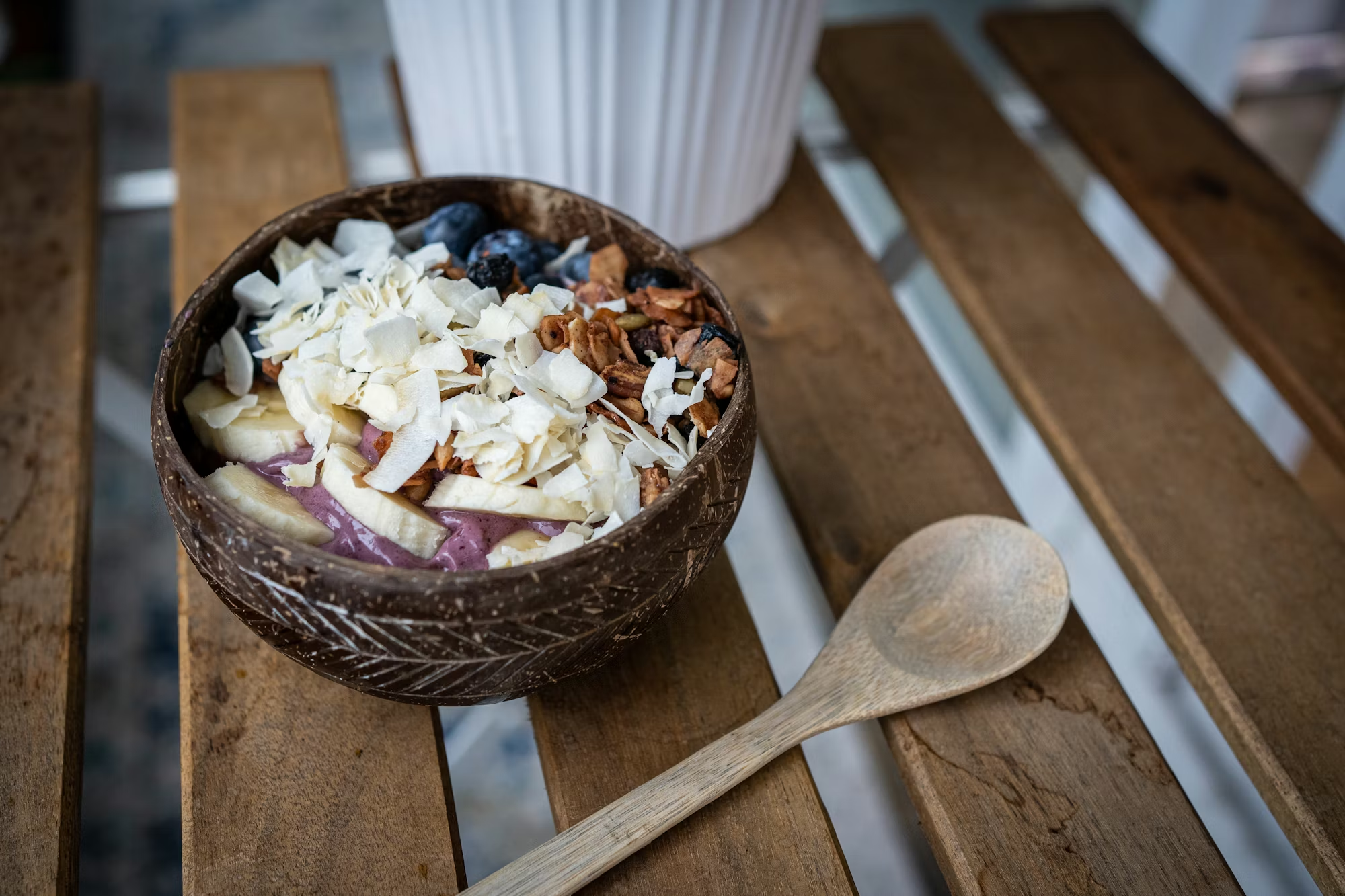
Exploring the Culinary Landscape: A Guide to Restaurant Types

Exploring the Culinary Landscape: A Guide to Restaurant Types

In today’s fast-paced world, dining out has become more than just a necessity; it’s an experience. The restaurant scene has evolved dramatically, showcasing a variety of styles, cuisines, and atmospheres that cater to diverse preferences. From the luxurious ambiance of fine dining to the vibrant energy of casual eateries, each type of restaurant provides a unique opportunity to savor flavors and create memories. This article delves into the different types of restaurants, exploring what makes each one special and the experiences they offer.

Fine Dining: A Symphony of Flavors

Fine dining restaurants represent the apex of culinary craftsmanship and service. These establishments are designed to provide guests with an elegant dining experience, complete with sophisticated decor and meticulous attention to detail. Upon entering a fine dining restaurant, one is often greeted by soft lighting, plush furnishings, and an air of sophistication that sets the stage for a memorable meal.

The menu at a fine dining establishment typically features gourmet dishes crafted from high-quality, often seasonal, ingredients. Chefs in these kitchens are known for their creativity, producing beautifully plated meals that are as pleasing to the eye as they are to the palate. Many fine dining venues offer tasting menus, allowing diners to embark on a culinary journey through multiple courses, each designed to highlight different flavors and techniques.

In addition to the food, fine dining experiences often include an extensive wine list, with sommeliers available to help guests select the perfect pairing for their meal. The level of service is usually exceptional, with staff trained to anticipate guests’ needs and ensure a seamless dining experience. This meticulous approach to both food and service makes fine dining ideal for special occasions, romantic evenings, and celebrations.

Casual Dining: Comfort and Community

Casual dining restaurants provide a more relaxed atmosphere while still offering a diverse menu. These venues are characterized by their welcoming environments, making them popular choices for families, friends, and casual gatherings. The decor is typically informal, with a focus on comfort and accessibility.

Menus at casual dining establishments often feature a wide range of options, from classic comfort food to international dishes. Diners can expect shareable appetizers, hearty entrees, and delicious desserts, all served in generous portions. Many casual dining restaurants also emphasize a family-friendly approach, offering kids’ menus and promotions that encourage sharing and communal dining.

The social aspect of casual dining is significant, as the informal setting encourages conversation and connection among guests. Many of these restaurants host events such as trivia nights or live music, further enhancing the sense of community and making them great places for socializing and creating lasting memories.

Fast Food: Quick and Convenient

Fast food restaurants have revolutionized the way people approach dining, prioritizing speed and convenience. Chains like Wendy’s, Taco Bell, and KFC dominate this sector, offering familiar menus designed for quick service. The hallmark of fast food is its efficiency, allowing customers to enjoy a meal without the wait that often accompanies traditional dining.

The atmosphere in fast food restaurants is typically casual, with a focus on functionality over decor. Many establishments feature drive-thru options, enabling diners to grab a quick meal on the go. The menus often include a variety of items, from burgers and fries to salads and breakfast offerings, catering to a wide range of tastes.

In recent years, many fast food chains have begun incorporating healthier options and sustainability practices, reflecting changing consumer preferences. This evolution indicates that fast food can adapt to modern dietary trends while maintaining its core promise of convenience and affordability.

Ethnic and Specialty Restaurants: A World of Flavors

Ethnic and specialty restaurants offer diners an opportunity to explore global cuisines and authentic dishes. From cozy Italian trattorias to vibrant Mexican taquerias, these establishments immerse guests in the rich culinary traditions of their respective cultures. Dining at an ethnic restaurant is often a celebration of flavors, with menus designed to transport guests to different parts of the world.

Many ethnic restaurants emphasize the use of traditional recipes and ingredients, ensuring that diners experience the true essence of the cuisine. This authenticity can also be seen in vegetarian and vegan restaurants, which showcase the versatility and richness of plant-based dishes. These establishments highlight the creativity involved in crafting meals that cater to diverse dietary preferences, proving that vegetarian and vegan options can be just as satisfying and flavorful as their meat-based counterparts.

Buffet Restaurants: A Feast for All

Buffet restaurants provide a unique dining experience by allowing patrons to serve themselves from a wide selection of dishes. This self-service format encourages exploration and experimentation, making buffets a popular choice for families and large groups. Diners can sample a variety of flavors and cuisines for a fixed price, ensuring that there’s something to satisfy every palate.

The atmosphere in buffet restaurants is often lively, with a sense of community as guests interact while filling their plates. Buffets typically offer a diverse array of options, from salads and appetizers to main courses and desserts, allowing diners to create their own combinations. This variety encourages guests to try new dishes and flavors, making dining out an adventurous experience.

Many buffet restaurants also prioritize quality, sourcing fresh ingredients and preparing dishes that highlight authentic flavors. This focus on quality ensures that guests leave satisfied and eager to return for another visit.

Family-Style Restaurants: Sharing is Caring

Family-style restaurants embrace the concept of communal dining by serving large portions meant for sharing. This approach encourages guests to pass dishes around the table, fostering a sense of connection and togetherness. These venues often feature hearty comfort food favorites, such as roasted chicken, pasta dishes, and a variety of sides, creating a warm and inviting environment for family gatherings and celebrations.

The emphasis on sharing enhances the overall dining experience, as guests engage in conversation and bond over a shared meal. Many family-style restaurants also focus on using fresh, locally sourced ingredients, aligning with the trend of supporting local producers while ensuring quality in the dishes served.

Vegetarian and Vegan Restaurants: Plant-Based Innovations

With the growing interest in plant-based diets, vegetarian and vegan restaurants have become vibrant culinary destinations. These establishments focus on creating innovative dishes that celebrate the richness of fruits, vegetables, grains, and legumes. Committed to health and sustainability, vegetarian and vegan restaurants cater to both dedicated plant-eaters and those looking to incorporate more vegetables into their diets.

Chefs at these restaurants often push the boundaries of traditional cooking, crafting dishes that are visually appealing and bursting with flavor. From hearty veggie burgers to colorful salads and decadent desserts, these venues demonstrate that plant-based meals can be both delicious and satisfying, appealing to a wide audience.

Pop-Up Restaurants: The Art of Culinary Experimentation

Pop-up restaurants have emerged as a dynamic trend within the culinary world, offering temporary dining experiences that spotlight specific chefs or unique concepts. Often set in unconventional spaces, such as food markets or festivals, these ephemeral eateries create an atmosphere of excitement and exclusivity. Each pop-up event provides chefs with the opportunity to experiment with new ideas and showcase their culinary creativity, inviting diners to partake in a one-of-a-kind experience.

The ever-changing nature of pop-up restaurants keeps the dining scene fresh and engaging, attracting food enthusiasts eager to explore innovative dishes. These experiences often highlight seasonal ingredients and contemporary culinary trends, making each visit a chance to discover new flavors and styles.

Farm-to-Table Restaurants: Fresh and Local

Farm-to-table restaurants prioritize the use of locally sourced ingredients, creating dishes that celebrate the flavors of the season. This approach not only enhances the quality and freshness of the food but also supports local farmers and promotes sustainable practices. Diners can enjoy meals that reflect the agricultural bounty of their region, with menus frequently changing to showcase what is in season.

By cultivating relationships with local producers, farm-to-table restaurants contribute to the local economy while fostering a sense of community. Diners can take pride in their food choices, knowing they are supporting sustainable agriculture while indulging in delicious, high-quality meals.

Gastropubs: A Fusion of Flavor and Fun

Gastropubs combine the relaxed atmosphere of a traditional pub with elevated cuisine, creating a unique dining experience that appeals to food lovers. These establishments focus on high-quality ingredients and creative dishes, often pairing gourmet meals with an extensive selection of craft beers and cocktails. The gastropub concept allows diners to enjoy the comfort of a pub while savoring refined comfort food.

Menus at gastropubs typically feature artisanal burgers, gourmet pizzas, and inventive small plates, all crafted with an emphasis on flavor and presentation. This blend of quality food and casual dining makes gastropubs a popular choice for social gatherings and relaxed evenings with friends.

Conclusion: A Culinary Adventure Awaits

The diverse array of restaurant types available today ensures that there is something for everyone, regardless of taste or occasion. From the elegance of fine dining to the warmth of casual eateries, each restaurant offers a unique experience that connects us through the joy of food. As we navigate this culinary landscape, dining out transforms from a simple meal into an opportunity to explore flavors, celebrate cultures, and create cherished memories with loved ones.


Exploring the World of Unique Burgers: A Culinary Adventure

Exploring the World of Unique Burgers: A Culinary Adventure

Burgers have long been a staple of casual dining, known for their satisfying flavors and endless customization options. While classic versions like the hamburger and cheeseburger remain beloved, a new wave of unique burgers has emerged, captivating food enthusiasts with innovative ingredients and global inspirations. This article explores the world of unique burgers, highlighting their creativity and the culinary journeys they offer.

At the forefront of this trend are burgers that push the boundaries of traditional ingredients. Chefs are increasingly experimenting with various proteins, flavors, and cooking techniques, resulting in unique creations that surprise and delight diners. From seafood and poultry to plant-based alternatives, the choices are vast, allowing everyone to find something that tantalizes their taste buds.

One notable example is the seafood burger, which typically features a patty made from fresh fish or shellfish. Options like salmon, tuna, or even crab cakes are often paired with complementary toppings, such as avocado, spicy mayo, and slaw, creating a refreshing alternative to the traditional beef burger. The lightness of the seafood, combined with vibrant toppings, makes for a delicious summer meal that is both satisfying and unique.

Another fascinating twist on the classic burger is the chicken burger. These patties, made from ground or whole pieces of chicken, offer a different flavor profile while still providing the comforting familiarity of a burger. The versatility of chicken allows for a wide range of seasonings and toppings. For instance, a spicy buffalo chicken burger may be topped with blue cheese dressing and celery slaw, while a teriyaki chicken burger could feature grilled pineapple and tangy sauce. This flexibility makes the chicken burger a fantastic option for those looking to explore new flavors.

In recent years, plant-based burgers have also gained immense popularity, catering to the growing number of vegetarians and vegans. These burgers are crafted from ingredients like black beans, lentils, quinoa, or even innovative plant-based proteins designed to mimic the taste and texture of beef. A well-made veggie burger can be just as satisfying as its meat counterpart, especially when loaded with fresh toppings like avocado, roasted peppers, and house-made sauces. The rise of plant-based burgers has not only expanded dining options but also encouraged creativity in how we think about burgers as a whole.

Unique burgers often draw inspiration from global cuisines, resulting in exciting flavor combinations that reflect diverse culinary traditions. For instance, the Mediterranean-inspired burger may feature a lamb patty seasoned with garlic and herbs, topped with tzatziki sauce, feta cheese, and fresh cucumber. The use of these ingredients creates a burger that transports diners to sun-soaked shores, celebrating the vibrant flavors of the Mediterranean.

Similarly, the Korean BBQ burger showcases the bold flavors of Korean cuisine. This burger typically features a beef patty marinated in a sweet and savory gochujang sauce, topped with kimchi and sesame slaw. The combination of spicy, tangy, and umami flavors makes this burger a standout, appealing to those looking for an adventurous twist on the traditional format. These global influences not only make each bite exciting but also allow diners to experience the world through their meals.

The toppings on unique burgers play a crucial role in their appeal, transforming the flavor and texture with each addition. Gourmet options can include everything from fried eggs and avocado to pickled vegetables and artisanal cheeses. One popular combination is the bacon and avocado burger, where crispy bacon adds a smoky crunch to the creamy avocado, creating a rich and satisfying experience. Chefs often take pride in sourcing high-quality toppings, ensuring that each component of the burger contributes to the overall experience.

As the burger landscape continues to evolve, some establishments are embracing the concept of the “build-your-own” burger. This option empowers diners to customize their burgers by selecting from a wide array of patties, buns, toppings, and sauces. This interactive experience not only allows for personalized flavor profiles but also encourages creativity. Diners can experiment with unexpected combinations, resulting in unique creations that reflect their individual tastes.

The bun is another crucial element in the burger experience. Gone are the days of generic white buns; today’s unique burgers often feature artisanal breads that enhance the overall flavor. Options like pretzel buns, brioche, and even whole-grain varieties add distinctive textures and tastes. A well-selected bun not only holds the burger together but also elevates the entire meal, complementing the chosen ingredients perfectly.

In addition to traditional burgers, sliders have become a popular way to experience a variety of flavors in one sitting. These smaller versions of burgers allow diners to sample multiple unique combinations, making them a favorite for sharing at parties or gatherings. Whether they’re filled with classic ingredients or creative twists, sliders offer a fun and interactive dining experience that encourages exploration.

As social media continues to influence dining trends, unique burgers have become an Instagram sensation. Diners are eager to share visually stunning creations, prompting restaurants to prioritize presentation alongside flavor. This has led to innovative plating techniques, vibrant colors, and artistic garnishes that make each burger not just a meal but a work of art. The desire for the perfect photo often inspires chefs to push the boundaries of their culinary creativity, resulting in even more unique burger offerings.

Ultimately, the world of unique burgers represents a celebration of creativity, flavor, and culinary exploration. From innovative ingredients to global influences, these burgers invite diners to step outside their comfort zones and indulge in exciting new experiences. As the burger scene continues to evolve, one thing is clear: there’s a unique burger out there for everyone, waiting to be discovered and savored.

In conclusion, unique burgers have transformed the way we enjoy this beloved dish. With their emphasis on quality ingredients, diverse flavors, and creative toppings, these burgers offer a culinary adventure that goes far beyond the classic format. As chefs continue to innovate and diners seek out new experiences, the unique burger trend shows no signs of slowing down, promising an exciting future for burger lovers everywhere.

The Allure of Apples: A Deep Dive into a Timeless Fruit

The Allure of Apples: A Deep Dive into a Timeless Fruit

Apples are one of the most popular and versatile fruits in the world, cherished for their crisp texture and sweet, tangy flavor. With thousands of varieties available, each apple brings its own unique taste and characteristics, making them suitable for various culinary applications. This article delves into the different types of apples, their nutritional benefits, and how they can be creatively incorporated into our diets, while also highlighting the rich history and cultural significance of this remarkable fruit.

The Rich History of Apples

Apples have a long and storied history, dating back thousands of years. Originating in Central Asia, the Malus domestica species gradually spread throughout the world, becoming a staple in various cultures. Ancient civilizations such as the Greeks and Romans celebrated apples, using them in mythology, literature, and cuisine. Today, apples continue to hold a significant place in culinary traditions and are a symbol of health and nourishment.

Varieties of Apples

One of the reasons apples are so beloved is the incredible diversity of varieties available. From sweet to tart, there is an apple to suit every palate.

Sweet Apples

Sweet apples, such as Fuji, Gala, and Honeycrisp, are perfect for snacking. Fuji apples are known for their exceptionally crisp texture and sweetness, making them a favorite among children and adults alike. Gala apples, with their beautiful orange-red skin, offer a juicy bite and mild flavor, ideal for salads and desserts. Honeycrisp apples are a relatively newer variety that has gained popularity for their perfect balance of sweetness and crispness.

Tart Apples

On the other hand, tart apples like Granny Smith and McIntosh are excellent for baking. Granny Smith apples are famous for their sharp tartness, making them a staple in pies and crisps. Their firm texture holds up well during baking, resulting in a delightful contrast with sweet fillings. McIntosh apples, with their softer texture and tart flavor, are often used in sauces and purees, providing a nostalgic taste of homemade apple sauce.

Lesser-Known Varieties

Beyond the common varieties, there are numerous lesser-known apples worth exploring. Jonagold apples, a cross between Jonathan and Golden Delicious, offer a complex flavor that is both sweet and tart, making them versatile for eating fresh or baking. Pink Lady apples, known for their striking pink skin and crisp bite, bring a delightful sweetness to any dish. These unique varieties can introduce new flavors and textures to your apple-based creations.

Nutritional Benefits of Apples

Apples are not only delicious but also packed with essential nutrients that contribute to a healthy diet. Here are some of the key nutritional benefits of apples:

High in Fiber

One of the standout features of apples is their high fiber content, particularly in the skin. Dietary fiber plays a crucial role in digestive health, helping to maintain regular bowel movements and prevent constipation. Including fiber-rich foods like apples in your diet can also promote a feeling of fullness, making them an excellent choice for snacking.

Rich in Vitamins and Minerals

Apples are a good source of essential vitamins and minerals, including vitamin C, potassium, and various B vitamins. Vitamin C is known for its immune-boosting properties and is crucial for maintaining healthy skin. Potassium helps regulate blood pressure, while B vitamins play a vital role in energy metabolism. The combination of these nutrients makes apples a valuable addition to a balanced diet.

Antioxidant Properties

In addition to their vitamins and minerals, apples are rich in antioxidants, particularly flavonoids and polyphenols. These compounds help combat oxidative stress in the body, reducing the risk of chronic diseases and promoting overall health. Research suggests that regular apple consumption may be associated with lower risks of heart disease and certain types of cancer, thanks to their antioxidant properties.

Culinary Uses of Apples

The versatility of apples in the kitchen is truly remarkable. They can be enjoyed in various forms, from raw to cooked, and can enhance both sweet and savory dishes.

Fresh and Raw

One of the simplest ways to enjoy apples is to eat them fresh. Whether sliced, whole, or diced, apples make a delicious and nutritious snack. Pairing apple slices with nut butter or cheese creates a satisfying combination of flavors and textures. Apples can also be added to salads, providing a crunchy contrast to leafy greens and other vegetables.

Baking and Cooking

Apples are a quintessential ingredient in many baked goods. Apple pie is a classic dessert that showcases the fruit’s natural sweetness and ability to hold its shape when cooked. Beyond pies, apples can be incorporated into cakes, muffins, and tarts, adding moisture and flavor. Additionally, apple compote and sauces can elevate savory dishes, pairing beautifully with pork and poultry.

Beverages

The use of apples extends beyond solid foods. Apple cider is a popular beverage enjoyed warm or cold, and it can be used as a base for cocktails or mixed drinks. Freshly pressed apple juice is a delightful option for breakfast, providing a refreshing start to the day.

Selecting and Storing Apples

To fully enjoy the flavors and benefits of apples, it’s important to select and store them properly. Here are some tips:

Choosing Fresh Apples

When selecting apples, look for those that are firm and free from bruises or blemishes. The skin should be smooth, with vibrant colors indicating ripeness. Depending on the variety, different apples may be more suitable for your intended use, so consider whether you want a sweet or tart option.

Storing Apples

Apples can be stored in the refrigerator to prolong their freshness. Keeping them in a breathable bag or container will help maintain their crispness. If you have a large batch of apples, consider storing them in a cool, dark place. Some varieties may last longer than others, so be mindful of how quickly you plan to consume them.

The Cultural Significance of Apples

Apples hold a special place in various cultures around the world. From their representation in mythology to their symbolism in art and literature, apples have captured the imagination of many.

Symbolism in Art and Literature

In Western literature, apples often symbolize temptation and knowledge, as famously illustrated in the biblical story of Adam and Eve. This cultural connection to apples evokes deeper meanings that resonate across generations. In art, apples are frequently depicted as objects of beauty, showcasing their vibrant colors and shapes.

Culinary Traditions

Many cultures celebrate the apple through traditional dishes and festivals. In the United States, the annual apple harvest is marked by festivals that feature apple picking, cider making, and pie contests. Similarly, in Europe, countries like Germany and France have rich apple-related culinary traditions, from tarte tatin to apfelstrudel.

Conclusion

Apples are a remarkable fruit that combines delicious flavor with numerous health benefits. Their versatility in the kitchen allows for endless culinary possibilities, making them a beloved choice across cultures. By exploring the various types of apples, understanding their nutritional advantages, and incorporating them into our diets, we can truly appreciate this timeless fruit. Whether enjoyed fresh, baked, or blended, apples continue to be a symbol of nourishment and enjoyment in our lives.

The Art of Cooking with Herbs: Enhancing Flavors and Wellness

The Art of Cooking with Herbs: Enhancing Flavors and Wellness

Herbs are the unsung heroes of the culinary world, adding depth, flavor, and character to dishes that might otherwise be bland. From aromatic basil to pungent cilantro, the variety of herbs available offers a world of possibilities in enhancing both taste and nutritional value. This article aims to explore the different types of culinary herbs, their health benefits, and how to incorporate them into your cooking to elevate your meals.

Culinary herbs can be categorized into two main types: soft herbs and hard herbs. Soft herbs include tender leaves that are typically used fresh, such as basil, parsley, cilantro, and chives. These herbs are often added at the end of cooking or as garnishes, allowing their fresh flavors to shine. On the other hand, hard herbs, like rosemary, thyme, and oregano, are more robust and can withstand longer cooking times, releasing their flavors gradually. Understanding the characteristics of these herbs helps in choosing the right ones for your dishes.

Soft herbs are prized for their vibrant flavors and aromas. Basil, for example, is a staple in Mediterranean cuisine, known for its sweet and slightly peppery taste. It pairs beautifully with tomatoes, making it a key ingredient in sauces, salads, and pesto. Adding fresh basil to a dish just before serving can enhance its flavor profile significantly.

Parsley is another versatile soft herb that adds a fresh, mild flavor to various dishes. It’s often used as a garnish but can also be incorporated into salads, soups, and sauces. Parsley is rich in vitamins A, C, and K, making it a nutritious addition to meals. Cilantro, with its distinct and polarizing taste, is beloved in many cuisines, particularly Mexican and Asian. It adds brightness to salsas, curries, and salads, providing a unique flavor that can transform a dish.

Hard herbs like rosemary and thyme are essential in many savory dishes. Rosemary, with its strong, pine-like flavor, pairs well with roasted meats and vegetables. It can be infused into oils or used as a seasoning for bread, adding an aromatic touch. Thyme, known for its earthy and slightly minty flavor, is a favorite in Mediterranean cooking and works well in soups, stews, and marinades. Both rosemary and thyme are often added early in the cooking process, allowing their flavors to meld with the dish.

In addition to flavor enhancement, many culinary herbs also offer numerous health benefits. For instance, basil is known for its anti-inflammatory properties and is rich in antioxidants. It may also aid digestion and support immune health. Incorporating basil into your diet can not only enhance flavor but also contribute to overall well-being.

Parsley is not just a garnish; it is packed with vitamins and minerals. It has been associated with benefits like supporting kidney function and improving digestion. Adding parsley to your meals can increase your intake of essential nutrients without overwhelming the dish’s flavor.

Cilantro is renowned for its potential detoxifying properties. It is believed to help remove heavy metals from the body and is rich in vitamins C and K. Including cilantro in your diet can provide both flavor and health benefits, particularly in fresh dishes like salads and salsas.

Rosemary has been linked to improved digestion and cognitive function, while its aroma is known to enhance memory and concentration. Cooking with rosemary not only enhances the taste of your food but also supports mental clarity and overall wellness.

Thyme, rich in vitamins C and A, possesses antimicrobial properties that can help boost immunity. It has been traditionally used to support respiratory health, making it a valuable addition to broths and soups during colder months.

Incorporating herbs into your cooking can be as simple as adding fresh sprigs to your favorite dishes or experimenting with herb-infused oils. One effective way to use fresh herbs is to create a herb oil. Blend fresh herbs, such as basil or parsley, with olive oil, and strain to create a fragrant oil that can be drizzled over salads, vegetables, or grilled meats.

Herbs can also be used to create flavorful marinades. Combining chopped herbs with garlic, lemon juice, and olive oil creates a zesty marinade that enhances meats, fish, or vegetables before grilling or roasting. For instance, a rosemary and lemon marinade can elevate chicken or fish, imparting a fresh, aromatic flavor.

Herbs can be a key component in dressings and dips as well. A simple vinaigrette can be transformed by adding finely chopped herbs like basil or cilantro. These dressings not only add flavor but also provide additional nutritional benefits. For example, a cilantro-lime dressing can add zest to any salad, while a classic pesto made with basil can serve as a sauce for pasta or a spread for sandwiches.

For those who enjoy baking, herbs can even be used in sweet dishes. Lavender, for instance, can be infused into cookies or cakes for a subtle floral note. Similarly, rosemary can be incorporated into bread recipes, adding a unique twist to traditional flavors. Experimenting with herbs in desserts can lead to delightful surprises and elevate your baking game.

When using herbs, freshness is key. If possible, grow your own herbs at home to ensure the freshest flavors. Many herbs can be grown in small pots on a windowsill, making them easily accessible for cooking. If fresh herbs aren’t available, dried herbs can still offer flavor, although they are often more potent, so use them sparingly.

Storing herbs properly is essential for maintaining their flavor. Soft herbs can be stored in the refrigerator, wrapped in a damp paper towel, while hard herbs can be kept in a cool, dry place. For long-term storage, many herbs can be frozen in ice cube trays with olive oil, allowing for easy use in future cooking.

In conclusion, the art of cooking with herbs is a wonderful way to enhance flavors, improve nutrition, and explore new culinary possibilities. By understanding the different types of culinary herbs, their health benefits, and creative uses, you can elevate your cooking and enjoy the delicious and nutritious gifts that nature provides. Whether you’re adding a sprinkle of fresh parsley to your soup or creating a vibrant herb-infused oil, the possibilities are endless. Embrace the vibrant world of herbs and let your culinary creativity flourish.

Exploring the World of Artisan Chocolates

Exploring the World of Artisan Chocolates

Chocolate has long been regarded as one of the world’s most delightful treats, but the journey from cocoa bean to artisan chocolate bar is a complex and fascinating process. Artisan chocolate, known for its quality, craftsmanship, and unique flavors, has gained significant popularity in recent years. This article explores the history of chocolate, the meticulous methods behind artisan production, and the contemporary trends shaping this indulgent industry.

The history of chocolate dates back thousands of years to the ancient civilizations of Mesoamerica. The Olmecs, one of the earliest cultures in the region, are believed to be the first to cultivate cacao, utilizing it for ceremonial and medicinal purposes. The Mayans and Aztecs later adopted cacao, creating a drink known as xocoatl, which was often flavored with spices and enjoyed by nobility. Cacao was so valuable that it was even used as currency.

When chocolate made its way to Europe in the 16th century, it underwent a transformation. Initially consumed as a beverage, sugar was added to the bitter drink, making it more palatable to European tastes. The invention of chocolate bars in the 19th century revolutionized the industry, leading to mass production. However, the rise of mass-produced chocolate often came at the expense of quality and flavor, paving the way for a resurgence in artisan chocolate.

Artisan chocolate is characterized by its emphasis on quality ingredients, traditional methods, and creative flavor combinations. Unlike mass-produced chocolate, which often contains additives and preservatives, artisan chocolate makers prioritize pure, high-quality cacao and minimal processing. This dedication to craftsmanship allows for a richer, more complex flavor profile that appeals to chocolate connoisseurs.

The production of artisan chocolate begins with sourcing the best cacao beans from around the world. Regions such as Ecuador, Venezuela, and Madagascar are renowned for their unique cacao varieties, each imparting distinct flavors based on the terroir and growing conditions. Many artisan chocolatiers establish direct relationships with cacao farmers, ensuring fair trade practices and supporting sustainable farming methods.

Once the cacao is harvested, it undergoes fermentation, a crucial step that develops the beans’ flavor. After fermentation, the beans are dried and roasted, further enhancing their taste. The roasting process is carefully controlled, as it significantly influences the final chocolate flavor. After roasting, the beans are cracked open to reveal the nibs, which are ground into a paste known as chocolate liquor. This liquor can then be further refined into chocolate by separating the cocoa solids from the cocoa butter.

The blending and conching processes are where the artisan chocolatiers truly showcase their creativity. Blending involves combining different cacao varieties to achieve a specific flavor profile, while conching, which can take several hours to days, smooths the chocolate and develops its texture. This step is essential for achieving the velvety mouthfeel that artisan chocolate is known for. Finally, tempering is done to stabilize the chocolate, ensuring it has a glossy finish and a satisfying snap when broken.

Flavor innovation is one of the hallmarks of artisan chocolate. Chocolatiers experiment with various ingredients, from traditional flavors like sea salt and caramel to more adventurous combinations such as chili, lavender, or even exotic fruits. The art of pairing chocolate with complementary flavors elevates the tasting experience, inviting consumers to explore new and exciting profiles. Many artisans also incorporate local ingredients, paying homage to their regions and creating a unique connection between the chocolate and its surroundings.

Packaging and presentation also play a vital role in the artisan chocolate experience. Many chocolatiers take pride in crafting visually stunning packaging that reflects their brand’s identity. The aesthetic appeal of artisan chocolates is often enhanced by the use of vibrant colors, elegant designs, and eco-friendly materials. This attention to detail creates a memorable unboxing experience, making artisan chocolate not just a treat but also a thoughtful gift or a luxurious indulgence.

In recent years, the artisan chocolate movement has grown significantly, fueled by a rising consumer interest in high-quality, ethically sourced products. Chocolate festivals and tastings have become popular, offering enthusiasts the opportunity to discover and sample a variety of artisan chocolates from different makers. Social media platforms have also played a significant role in promoting artisan chocolatiers, allowing them to showcase their creations and connect with customers worldwide.

Sustainability remains a central theme in the artisan chocolate industry. As consumers become more conscious of the environmental and social impacts of their purchases, many chocolatiers are adopting sustainable practices. This includes sourcing cacao from farms that prioritize biodiversity, implementing eco-friendly packaging, and supporting community initiatives. The commitment to sustainability not only enhances the ethical aspect of artisan chocolate but also appeals to a growing segment of eco-conscious consumers.

The future of artisan chocolate looks bright as innovation continues to drive the industry. Trends such as bean-to-bar production, where chocolatiers oversee every step from sourcing to packaging, are gaining momentum. This model allows for complete control over quality and flavor, ensuring a truly artisanal product. Additionally, the incorporation of health-conscious ingredients, such as superfoods and reduced sugar options, is becoming increasingly popular as consumers seek to balance indulgence with wellness.

In conclusion, artisan chocolate is a celebration of flavor, craftsmanship, and creativity. From its ancient origins to the modern-day emphasis on quality and sustainability, the journey of chocolate is as rich and complex as its flavor. As the artisan chocolate movement continues to flourish, it invites us all to savor the nuances of this beloved treat, appreciate the artistry behind its creation, and support the dedicated makers who bring joy through their craft. Whether enjoyed alone or shared with loved ones, artisan chocolate remains a timeless indulgence that transcends borders and unites people through a shared passion for quality.

Exploring the Café Phenomenon: A Global Journey

Exploring the Café Phenomenon: A Global Journey

Cafés have transcended their initial role as mere coffee-serving establishments to become vibrant cultural hubs around the globe. They offer not only a place to enjoy a hot beverage but also serve as social gathering spots, creative spaces, and even community support centers. This article explores the rich variety of cafés, their distinct atmospheres, and the unique experiences they provide to patrons.

First and foremost, let’s delve into the quintessential coffee shop. These establishments are primarily focused on brewing an array of coffee drinks, from classic espressos to innovative cold brews. In cities worldwide, coffee shops often pride themselves on sourcing high-quality beans from local roasters, ensuring that each cup is crafted with care. Patrons are drawn not only by the aroma of freshly brewed coffee but also by the inviting ambiance—comfortable seating, soft music, and sometimes even the subtle sound of a latte art creation in progress.

The experience of visiting a coffee shop is often enhanced by the addition of light snacks, pastries, and sandwiches. This blend of offerings transforms a simple coffee break into a moment of indulgence. Many coffee shops also host events such as open mic nights, art displays, and community discussions, making them central to social life in urban areas. The interactions that occur within these walls contribute to a sense of belonging and community, proving that coffee shops are more than just places to grab a drink.

Next, we turn our attention to bakery cafés, where the sweet scent of freshly baked goods envelops you the moment you step inside. These cafés specialize in delightful treats such as croissants, muffins, cakes, and artisan breads. Often, they serve as the perfect complement to coffee shops, allowing patrons to enjoy a delicious pastry alongside their beverage. The joy of biting into a flaky pastry paired with a rich espresso is a culinary experience that many cherish.

Bakery cafés typically embody a warm and welcoming atmosphere. Many feature an open kitchen design, allowing patrons to witness the baking process, which adds a layer of transparency and engagement. Customers can appreciate the skill and artistry involved in creating each baked item, from kneading dough to decorating cakes. This connection between the bakers and the patrons fosters a sense of community, as guests feel a part of the creative process. Additionally, bakery cafés often encourage patrons to linger, providing cozy nooks for reading or chatting, making them ideal spots for leisurely afternoons.

In recent years, internet cafés have emerged as crucial venues for those needing both connectivity and a workspace. These cafés are equipped with computers and high-speed internet, making them a popular choice for students, freelancers, and travelers. The design of internet cafés often promotes collaboration and creativity, featuring communal tables and comfortable seating arrangements that encourage interaction among patrons.

Internet cafés are not just about access to technology; they also offer a selection of snacks and beverages, creating a comfortable environment where people can work or study for hours. Some cafés even host gaming tournaments or workshops, blending productivity with entertainment. This unique combination makes internet cafés more than just functional spaces; they become vibrant community hubs that cater to diverse interests.

For those who find solace in literature, book cafés are a dream come true. These establishments often feature shelves lined with books, cozy reading nooks, and soft lighting that invites patrons to settle in with a good read. Book cafés cultivate an atmosphere of relaxation and inspiration, making them ideal spots for solitary reflection or lively discussions about literature.

Many book cafés also organize literary events such as author readings, book launches, and writing workshops. This engagement with the literary community not only enhances the café’s appeal but also encourages patrons to connect over shared interests. The experience of sipping a warm beverage while surrounded by stories adds a comforting layer to the café visit, making it a cherished retreat for bibliophiles.

Art cafés take the experience a step further by incorporating local art into their ambiance. These cafés often feature rotating exhibitions of paintings, photography, and sculptures from local artists, creating an inspiring environment for patrons. The artistic vibe encourages creativity and conversation, making these cafés popular gathering places for artists, creatives, and art enthusiasts alike.

In addition to showcasing art, many art cafés host workshops and art classes, allowing patrons to explore their own creativity. This commitment to supporting local artists enriches the café’s atmosphere and strengthens community bonds. The synergy between the art and the coffee creates a unique experience that resonates with patrons seeking inspiration and connection.

For pet lovers, pet-friendly cafés provide a delightful environment where furry friends are welcome. These cafés often have designated areas for pets, complete with special menus and treats for dogs and cats. Some even have resident animals, which adds a layer of charm and playfulness to the experience.

The joy of enjoying a coffee while surrounded by pets transforms a simple outing into a joyful adventure. Many pet-friendly cafés organize events such as pet adoption days or themed gatherings, fostering a sense of community among animal lovers. This inclusivity ensures that every family member, including pets, can enjoy a day out, making it a memorable experience for all.

As health-consciousness rises, organic and health-focused cafés have gained popularity. These establishments prioritize organic ingredients, locally sourced produce, and nutritious meal options. Patrons can enjoy guilt-free dishes such as fresh salads, smoothies, and an array of vegan or gluten-free items, making it easy to indulge without compromising on health.

The atmosphere in health-focused cafés is often bright and inviting, featuring natural decor that promotes a sense of well-being. By emphasizing sustainability and health, these cafés appeal to a growing audience eager to embrace a balanced lifestyle. Enjoying a meal in such a setting not only satisfies hunger but also contributes to overall wellness, making each visit fulfilling.

Theme cafés add a layer of excitement and creativity to the café landscape, immersing patrons in unique concepts. Whether it’s a retro-themed café adorned with nostalgic decor or a board game café that encourages friendly competition, these establishments create distinctive environments that cater to a wide array of interests. Seasonal-themed cafés, such as Halloween or Christmas cafés, offer festive atmospheres that attract customers looking for special experiences.

The menus at theme cafés are often creatively curated to align with their concepts, providing patrons with a complete sensory experience. Whether enjoying a whimsical drink in a playful setting or reliving fond memories in a retro café, theme cafés offer delightful escapes from the everyday routine, making each visit feel like a unique adventure.

Community cafés serve a vital role in fostering social interaction within neighborhoods. These establishments actively engage with local residents by hosting events, workshops, and fundraisers, transforming into gathering places where people can share ideas and connect. The menus often reflect local flavors and traditions, reinforcing their ties to the community.

By creating welcoming environments and supporting local initiatives, community cafés become essential hubs for connection and engagement, ensuring that everyone feels at home. This commitment to community enriches our social lives, providing opportunities for collaboration and interaction that extend beyond the café walls.

Lastly, for true coffee aficionados, gourmet or specialty cafés offer an elevated experience centered around high-quality coffee beans and unique brewing methods. These cafés feature carefully sourced coffee from various regions, showcasing distinct flavor profiles and brewing techniques. Patrons can participate in tastings and educational events, deepening their understanding and appreciation of coffee.

The ambiance in gourmet cafés is often sleek and modern, designed to enhance the focus on the coffee experience. Knowledgeable baristas, passionate about their craft, provide patrons with an unparalleled coffee-drinking experience. These cafés become destinations for those seeking to explore the intricate world of coffee, celebrating its rich flavors and complex aromas.

In conclusion, cafés around the world reflect the diversity of cultures and communities. Each type of café offers a unique experience that caters to different tastes, interests, and lifestyles. Whether you’re in search of a quiet place to read, a fun spot to play games, or a community hub to connect with others, there’s a café waiting for you to discover.

As café culture continues to grow and evolve, these establishments remain vital spaces for creativity, connection, and enjoyment. The next time you seek a welcoming spot to unwind or meet friends, consider exploring the diverse world of cafés that enrich our daily lives. Each visit presents an opportunity to enjoy delightful beverages and meals while becoming part of the vibrant tapestry that defines modern café culture.

Burgers Unleashed: Innovative Takes on a Classic Favorite

Burgers Unleashed: Innovative Takes on a Classic Favorite

Burgers are more than just a meal; they are a canvas for culinary creativity that has evolved significantly over the years. While the classic hamburger remains a staple in kitchens and restaurants around the world, innovative chefs and home cooks alike have taken the liberty to reinvent this beloved dish, pushing the boundaries of flavor and presentation. This article explores the imaginative takes on burgers that have emerged, showcasing unique ingredients, creative techniques, and the stories behind these exciting variations. The foundation of any great burger lies in the patty, and while traditional ground beef patties are beloved, there is an increasing trend toward alternative proteins. From turkey and chicken to plant-based options made from ingredients like lentils and chickpeas, the diversity of patties available today caters to a wide range of dietary preferences. For example, the black bean burger has gained immense popularity among vegetarians and vegans, offering a hearty texture and rich flavor profile. Spiced with cumin and topped with fresh salsa or guacamole, this burger stands out as a delicious and nutritious alternative. Another innovative option is the fusion burger, which creatively combines culinary traditions from around the world. The Asian-inspired teriyaki burger, for instance, features a juicy patty glazed with sweet teriyaki sauce, accompanied by grilled pineapple and crunchy cabbage slaw. This combination not only highlights the versatility of the burger but also celebrates the harmony of flavors found in different cuisines. Similarly, the Mediterranean burger offers a delightful twist with its blend of ground lamb, feta cheese, and herbs like mint and oregano. Topped with tzatziki sauce and fresh vegetables, this burger transports your taste buds to sunny shores and showcases the potential of merging diverse flavors. One of the most exciting trends in the burger world is the rise of gourmet toppings that elevate the simple burger to a whole new level. While lettuce, tomato, and onion are classic accompaniments, modern interpretations invite an array of unique ingredients. Think crispy bacon jam, which adds a sweet and savory depth, or truffle aioli that brings an earthy richness to every bite. Even pickled vegetables, such as radishes or carrots, can provide a refreshing crunch and acidity that balance the richness of the meat or patty. These gourmet toppings not only enhance the flavor but also contribute to a visually stunning presentation, making each burger a feast for the eyes as well. The bun, too, has seen a transformation in the burger landscape. While traditional sesame seed buns remain popular, artisanal bakeries are crafting a variety of bread options that elevate the overall experience. From brioche buns that add a hint of sweetness to pretzel buns that provide a chewy texture, the choice of bun can greatly influence the taste and enjoyment of the burger. Moreover, gluten-free options, such as lettuce wraps or quinoa buns, ensure that everyone can indulge in this beloved dish, regardless of dietary restrictions. The cooking method also plays a significant role in shaping the final product. While grilling remains a classic technique, chefs are exploring various cooking methods to achieve different flavor profiles. For instance, a burger cooked sous vide retains moisture and tenderness, while a charred, pan-seared patty develops a delectable crust. The addition of smoking techniques further enhances the depth of flavor, creating burgers that are bursting with taste. In recent years, burger competitions and festivals have become increasingly popular, celebrating the creativity of chefs and enthusiasts alike. These events showcase innovative burger creations that push the envelope, featuring everything from outrageous toppings to creative presentations. The excitement and camaraderie surrounding these competitions highlight the community aspect of burger culture, as participants and spectators come together to share their passion for this iconic dish. Another noteworthy trend is the rise of sliders, which have become a popular choice for sharing and sampling. These mini-burgers allow diners to enjoy a variety of flavors in one meal, making them perfect for gatherings or casual dining experiences. Restaurants often feature sliders with unique themes, such as a world tour of flavors where each slider represents a different international cuisine. This approach not only encourages exploration but also makes dining a more interactive and fun experience. As we explore the innovative world of burgers, it’s important to recognize the role of sustainability and ethical sourcing in today’s culinary landscape. Many chefs are committed to using locally sourced ingredients and supporting sustainable farming practices. This not only benefits the environment but also enhances the freshness and quality of the ingredients used in burger creations. Furthermore, the increasing demand for plant-based burgers has prompted many restaurants to develop options that are not only delicious but also environmentally friendly. These conscious choices resonate with a growing number of consumers who are prioritizing health and sustainability in their dining decisions. The art of crafting a memorable burger extends beyond the ingredients and cooking methods; it also involves the experience of enjoying the meal. Creating an inviting atmosphere, whether at home or in a restaurant, adds to the overall enjoyment. Consider hosting a burger night with friends, where everyone can customize their own burgers with a selection of toppings and sauces. This interactive approach fosters a sense of community and allows for endless flavor combinations, ensuring that each guest leaves satisfied and inspired. In conclusion, the world of burgers is a dynamic and exciting realm filled with endless possibilities for innovation and creativity. From alternative proteins and gourmet toppings to diverse cooking methods and sustainable practices, the evolution of burgers reflects a culinary landscape that embraces change and celebrates diversity. As we indulge in these imaginative creations, let us appreciate the stories behind them and the connections they foster among food lovers. The next time you sink your teeth into a delicious burger, take a moment to savor not only the flavors but also the rich tapestry of culture and creativity that this classic dish represents.

Exploring the World of Exotic Fruits: A Culinary Adventure

Exploring the World of Exotic Fruits: A Culinary Adventure

The world is brimming with a dazzling array of exotic fruits, each boasting unique flavors, textures, and appearances. From the tropical coasts to the highlands, these fruits offer a glimpse into different cultures and culinary traditions. As we explore the world of exotic fruits, we uncover not only their delightful tastes but also their nutritional benefits and culinary versatility. One of the most fascinating aspects of exotic fruits is their diversity. Take the dragon fruit, for example. With its vibrant pink skin and striking green scales, this fruit stands out in any market. Inside, its sweet and mildly tangy flesh, speckled with tiny black seeds, offers a refreshing treat. Dragon fruit is not only visually appealing but also packed with antioxidants and vitamin C, making it a popular choice for health-conscious consumers. Another tropical delight is the rambutan, a fruit native to Southeast Asia. Its hairy exterior can be deceiving, as the translucent flesh within is sweet and juicy, reminiscent of lychee. Rich in vitamins and minerals, rambutan is often enjoyed fresh, in salads, or as a dessert ingredient. The unique taste and texture of exotic fruits open up a world of culinary possibilities, inspiring chefs and home cooks alike to experiment with new recipes. Culinary uses for exotic fruits are as varied as their flavors. For instance, the jackfruit, often hailed as a plant-based meat alternative, has a fibrous texture that mimics pulled pork when cooked. Its mild taste allows it to absorb flavors from spices and marinades, making it a versatile ingredient in savory dishes. From tacos to curries, jackfruit is transforming plant-based cuisine and enticing those looking to reduce their meat consumption. Another fruit that deserves recognition is the starfruit, or carambola. This unique fruit gets its name from its star-like shape when sliced. Its crisp, juicy flesh has a sweet-tart flavor that can enhance both sweet and savory dishes. Sliced starfruit can be used as a garnish for drinks, added to salads for a refreshing crunch, or blended into smoothies for an exotic twist. As we delve deeper into the world of exotic fruits, we discover the nutritional benefits they offer. Many of these fruits are rich in vitamins, minerals, and antioxidants, contributing to a balanced diet. For example, the açai berry, known for its deep purple hue, is packed with antioxidants that may help combat oxidative stress. Açai bowls have become a trendy breakfast option, combining frozen açai puree with various toppings like granola, fruits, and honey for a nutritious and visually appealing meal. Similarly, the persimmon, with its sweet and honey-like flavor, is a great source of dietary fiber and vitamins A and C. This fruit can be eaten fresh, dried, or incorporated into baked goods, making it a versatile addition to any kitchen. Incorporating exotic fruits into your diet not only adds variety but also encourages exploration of new flavors. A simple fruit salad can transform into an extraordinary dish with the addition of a few exotic fruits. Imagine a colorful medley of dragon fruit, starfruit, and papaya, drizzled with lime juice and topped with fresh mint. Such a dish is not only visually stunning but also bursting with flavor and nutrition. Exotic fruits can also be used to create refreshing beverages. Smoothies, juices, and cocktails benefit greatly from the addition of unique fruits. For example, a smoothie made with mango, coconut water, and passion fruit creates a tropical escape in a glass, while a cocktail featuring lychee and mint adds a refreshing twist to any gathering. When exploring exotic fruits, sourcing them can be an adventure in itself. Many specialty grocery stores or local farmers’ markets offer a selection of these fruits, while online retailers may provide access to even more unique varieties. When purchasing exotic fruits, it’s important to choose ripe specimens to enjoy their full flavor. Some fruits may require specific ripening conditions, so understanding how to select and store them can enhance your experience. However, it’s not just about enjoyment; promoting the use of exotic fruits also supports sustainable farming practices. Many of these fruits are grown in tropical regions and often harvested by small-scale farmers. By choosing exotic fruits, consumers can contribute to the livelihoods of these farmers and promote biodiversity in agriculture. As awareness of exotic fruits grows, so does the appreciation for their cultural significance. Many fruits are integral to the culinary traditions of specific regions, reflecting local flavors and customs. For example, the durian, often dubbed the “king of fruits,” is celebrated in Southeast Asia for its distinctive aroma and creamy texture. While its scent can be polarizing, those who enjoy durian often savor it in desserts or as a topping for sticky rice. In conclusion, the world of exotic fruits is a treasure trove of flavors, textures, and culinary possibilities. From the visually stunning dragon fruit to the versatile jackfruit, these fruits invite us to explore new tastes and embrace the diversity of nature’s offerings. As we incorporate exotic fruits into our diets, we not only enhance our meals but also support sustainable practices and celebrate the rich cultural heritage behind these unique treasures. So, the next time you find yourself in the produce aisle, consider picking up an exotic fruit and embarking on a culinary adventure that delights the senses.

Savoring the Seasons: The Importance of Seasonal Dining

Savoring the Seasons: The Importance of Seasonal Dining

Dining is not just an act of nourishment; it’s a celebration of flavors, traditions, and the changing seasons. As nature transitions through its yearly cycles, so too does the culinary landscape, offering a bounty of fresh ingredients that can elevate any meal. Understanding the importance of seasonal dining enriches our appreciation for food and encourages sustainable practices within the restaurant industry.

Seasonal dining emphasizes the use of ingredients that are harvested at their peak, ensuring that dishes are bursting with flavor and nutritional value. When we consume food that is in season, we benefit from produce that is fresher and often more affordable, as it requires less transportation and storage. Additionally, eating seasonally fosters a connection to the local agricultural community, supporting farmers and producers who work hard to bring quality ingredients to our tables.

One of the most rewarding aspects of seasonal dining is the variety it offers. Each season brings its own unique ingredients, creating an ever-changing menu that delights the palate. In spring, for example, we can enjoy tender asparagus, vibrant radishes, and sweet peas, while summer introduces us to juicy tomatoes, succulent peaches, and an array of herbs. As the weather cools, autumn graces our plates with hearty squash, crisp apples, and earthy root vegetables, followed by the winter months that bring cozy greens and preserved foods. This cyclical bounty not only keeps our meals interesting but also encourages us to adapt our cooking to reflect the ingredients available.

Restaurants that prioritize seasonal menus often showcase their creativity by crafting dishes that highlight the best of what each season has to offer. For instance, a fine dining establishment might create a stunning spring salad with fresh greens, edible flowers, and a citrus vinaigrette that celebrates the essence of the season. In contrast, a cozy gastropub might serve a comforting pumpkin risotto in the fall, embodying the warmth and richness that this time of year brings. By utilizing seasonal ingredients, chefs can truly express their culinary artistry, resulting in memorable dining experiences.

Furthermore, seasonal dining encourages a more mindful approach to eating. When we focus on what is currently in season, we become more aware of the natural rhythms of food production. This awareness fosters a deeper appreciation for the environment and the efforts of those who grow our food. By choosing seasonal ingredients, diners can make more informed decisions about their meals, aligning their choices with sustainability and supporting local agriculture.

The benefits of seasonal dining extend beyond individual plates; they also have a positive impact on the environment. By consuming ingredients that are in season locally, we reduce the carbon footprint associated with transporting food long distances. Seasonal dining encourages restaurants to source ingredients from nearby farms, contributing to the local economy and promoting agricultural diversity. This approach also helps combat food waste, as restaurants are more likely to utilize ingredients that are readily available and abundant during specific times of the year.

Moreover, the farm-to-table movement has gained significant traction in recent years, aligning perfectly with the principles of seasonal dining. Many restaurants now prioritize sourcing their ingredients directly from local farms, creating a direct link between the diner and the source of their food. This transparency not only enhances the dining experience but also empowers consumers to make choices that support sustainable practices. Guests can take pride in knowing that their meals are prepared with fresh, local ingredients, often resulting in a deeper connection to the food they consume.

In addition to the culinary benefits, seasonal dining provides an opportunity to explore traditional recipes that celebrate local cultures. Many regions have distinct seasonal dishes that reflect the ingredients available in their area. For example, in Italy, the arrival of fresh artichokes in spring may inspire a classic Roman dish of carciofi alla giudia, while in Japan, the cherry blossom season brings with it a variety of sakura-themed foods. By embracing seasonal dining, we can honor and preserve these culinary traditions, passing them down through generations.

The joy of seasonal dining can also be experienced through home cooking. As consumers become more aware of seasonal ingredients, they are encouraged to experiment with fresh produce in their own kitchens. Visiting local farmers’ markets becomes an exciting adventure, where shoppers can interact directly with farmers, learn about what’s in season, and select the freshest ingredients for their meals. This hands-on approach not only enhances culinary skills but also fosters a sense of community and connection to the food supply.

In conclusion, seasonal dining is a celebration of nature’s bounty and a powerful way to connect with our food, the environment, and local communities. By prioritizing fresh, seasonal ingredients, we can enjoy delicious meals that nourish our bodies and support sustainable practices. As we savor the flavors of each season, we become more mindful eaters, embracing the changing rhythms of nature and the rich tapestry of culinary traditions that accompany them. Whether dining out at a restaurant or cooking at home, let us celebrate the seasons and the joy of seasonal dining together.

Exploring the Flavors of Thai Cuisine: A Culinary Adventure

Exploring the Flavors of Thai Cuisine: A Culinary Adventure

Thai cuisine is a vibrant and diverse culinary tradition that captivates food lovers around the world with its bold flavors, fresh ingredients, and harmonious balance of sweet, sour, salty, and spicy tastes. From the bustling street food stalls of Bangkok to the serene countryside kitchens, Thai food reflects the country’s rich cultural heritage and the influence of its geography. In this article, we will delve into the essence of Thai cuisine, exploring its key ingredients, iconic dishes, and the cultural significance of food in Thailand.

The Essence of Thai Cuisine

At the heart of Thai cooking lies the philosophy of balance, often achieved through the careful combination of flavors. Thai cuisine is characterized by its use of fresh herbs and spices, including lemongrass, galangal, kaffir lime leaves, and Thai basil, which provide depth and complexity to dishes. The interplay of flavors—sweet, sour, salty, and spicy—is essential to creating the vibrant taste profile that Thai food is known for.

Key Ingredients in Thai Cooking

1. Herbs and Spices

Herbs and spices are the backbone of Thai cuisine, contributing to its signature flavors. Lemongrass, with its citrusy notes, is commonly used in soups and curries, while galangal adds a unique zing to many dishes. Kaffir lime leaves impart a fragrant aroma, enhancing the freshness of curries and salads. Additionally, fresh herbs like cilantro, mint, and Thai basil are often used as garnishes, adding both flavor and visual appeal.

2. Sauces and Pastes

Thai cuisine features a variety of sauces and pastes that serve as flavor bases for many dishes. Fish sauce is a staple in Thai cooking, providing a salty umami flavor that enhances dishes like stir-fries and dipping sauces. Shrimp paste is another key ingredient, often used in curries and relishes. Additionally, curry pastes, such as red, green, and yellow, are essential for creating rich, aromatic curries, each with its own distinct blend of spices and herbs.

3. Rice and Noodles

Rice is the cornerstone of Thai meals, with jasmine rice being the most commonly consumed variety. It is often served as a side dish to accompany curries and stir-fries. Thai noodles, such as rice noodles used in dishes like Pad Thai, are also popular. These noodles are versatile and can be stir-fried, served in soups, or enjoyed in salads, showcasing the adaptability of Thai cuisine.

Iconic Thai Dishes

1. Pad Thai

Pad Thai is perhaps the most famous Thai dish, beloved both in Thailand and abroad. This stir-fried noodle dish features rice noodles tossed with shrimp, tofu, or chicken, combined with eggs, bean sprouts, and peanuts. The dish is seasoned with tamarind paste, fish sauce, and lime juice, resulting in a delightful balance of flavors. Pad Thai is often garnished with fresh herbs and lime wedges, making it a vibrant and satisfying meal.

2. Tom Yum Goong

Tom Yum Goong is a classic Thai soup known for its bold and aromatic flavors. Made with shrimp, lemongrass, kaffir lime leaves, and chili, this soup embodies the essence of Thai cooking. Its unique combination of spicy, sour, and fragrant elements creates a comforting and invigorating dish, often enjoyed as a starter or a main course. The addition of fresh herbs and lime juice enhances its freshness, making it a favorite among Thai food enthusiasts.

3. Green Curry

Green Curry, or Gaeng Keow Wan, is a rich and spicy curry made with green curry paste, coconut milk, and a variety of vegetables and proteins. The vibrant green color comes from fresh green chilies, herbs, and spices blended into the curry paste. This dish is typically served with jasmine rice, allowing the fragrant flavors to meld beautifully. Green curry represents the bold and complex flavors that Thai cuisine is known for, making it a staple in many Thai households.

4. Som Tum

Som Tum, or green papaya salad, is a refreshing dish that showcases the balance of flavors in Thai cuisine. Made with shredded green papaya, tomatoes, green beans, and peanuts, this salad is dressed with a tangy mix of lime juice, fish sauce, and palm sugar. The dish is often served with sticky rice and grilled meats, making it a popular choice in Thai street food markets. The crunchy texture and zesty flavors make Som Tum a delightful accompaniment to any meal.

The Cultural Significance of Food in Thailand

Food holds a special place in Thai culture, often serving as a means of bringing people together. Meals are typically enjoyed family-style, with a variety of dishes served at once, allowing everyone to share and savor different flavors. This communal dining experience reflects the importance of family and community in Thai society.

In addition to daily meals, food plays a vital role in festivals and celebrations. Traditional Thai festivals, such as Songkran (the Thai New Year) and Loy Krathong (the Festival of Lights), are marked by special foods and dishes that hold cultural significance. These celebrations often involve elaborate meals, showcasing the rich culinary heritage of Thailand.

The Influence of Thai Cuisine Worldwide

In recent years, Thai cuisine has gained popularity around the globe, with Thai restaurants becoming commonplace in cities worldwide. The vibrant flavors and fresh ingredients of Thai food resonate with people from various cultures, making it a favorite among food enthusiasts. Dishes like Pad Thai and Tom Yum have become staples on menus outside of Thailand, introducing new audiences to the richness of Thai culinary traditions.

Moreover, chefs around the world are inspired by Thai flavors, often incorporating elements of Thai cooking into their own cuisines. This fusion has led to creative dishes that blend Thai ingredients with other culinary traditions, showcasing the versatility and adaptability of Thai cuisine.

Conclusion

Thai cuisine is a celebration of flavor, culture, and community, offering a delightful experience for those who embrace it. Its bold flavors, fresh ingredients, and intricate balance of tastes create a culinary adventure that captivates the senses. From iconic dishes like Pad Thai to aromatic soups like Tom Yum, each bite tells a story of tradition and innovation.

As you explore the world of Thai cooking, take the time to appreciate the intricate techniques and flavors that define this vibrant cuisine. Whether you’re dining at a local Thai restaurant or trying your hand at home cooking, the essence of Thai cuisine is sure to leave a lasting impression, inviting you to savor the spice of life.